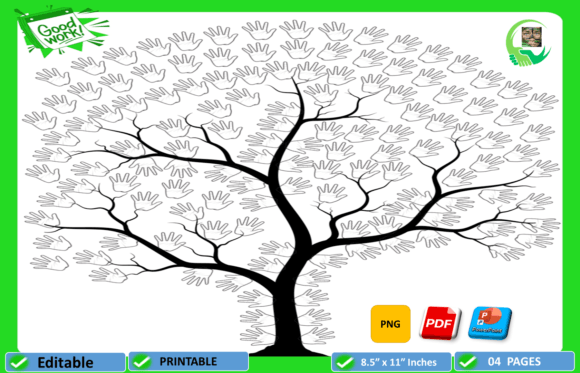
World Thinking Day Activity to Inspire Your Class
If you are an educator, group leader, or parent looking for a meaningful way to encourage young people to think beyond themselves, a World Thinking Day activity offers a practical and heartfelt solution. This annual event, celebrated on 22 February, invites Girl Guides and Girl Scouts around the world to reflect on global issues, celebrate diversity, and take small but significant actions to help others. But you do not need to be part of a formal guiding organisation to bring the spirit of this day into your classroom or community group. With the right approach, you can create an experience that sparks conversation, empathy, and real-world engagement.
The activity we are focusing on here is deliberately simple yet powerful. It asks children to consider what they could do to help others across the world, then to share their ideas visually so that the whole group can learn from one another. It is low-prep, high-impact, and works across a wide range of ages and settings. Let me walk you through what makes this activity tick, how to use it effectively, and why it matters beyond one day on the calendar.
What Is World Thinking Day and Why Use an Activity Around It?
World Thinking Day was first established in 1926 as a way for Girl Guides and Girl Scouts to honour international friendship and think about the challenges facing children and young people globally. Over time, it has grown into a day of reflection, fundraising, and education. Each year, a specific theme gives focus to conversations and projects — from environmental action to gender equality, from peacebuilding to access to education.
The beauty of a World Thinking Day activity is that it translates these big, sometimes abstract themes into something personal and actionable for children. Instead of simply telling them that people in other countries face difficulties, you invite them to connect, imagine, and propose solutions. This shift from passive learning to active empathy is where the real growth happens.
Key Characteristics of a Great World Thinking Day Activity
Not all activities are created equal. The most effective ones share a few core qualities:
- Open-ended and inclusive — Every child can participate at their own level. There is no single right answer, which reduces pressure and encourages genuine reflection.
- Discussion-driven — The best outcomes come from talking, not just writing. When children share their thoughts aloud, they build on each other's ideas and deepen their understanding.
- Visual and shareable — Creating something to display turns private thoughts into public inspiration. A wall, bulletin board, or digital gallery of ideas becomes a community resource.
- Action-oriented — The activity asks not just what we think but what we could do. This small shift from reflection to intention is crucial for building a sense of agency.
When you combine these elements, you get an experience that feels purposeful rather than performative. Children leave the session not only more aware of global issues but also more confident that their ideas matter.
How to Lead the Activity in Your Classroom or Group
You do not need elaborate materials or weeks of preparation. Here is a straightforward sequence that has worked well for many educators:
- Start with a question — Begin by asking the group: "What does it mean to think about others?" Let them share examples from their own lives before expanding to the wider world.
- Introduce World Thinking Day briefly — Share a few facts about the day, such as its date, its history with Girl Guides and Girl Scouts, and its purpose of fostering international friendship. Keep this part under five minutes so the focus stays on the activity.
- Present the core prompt — Ask each child to think about something they could do to help others somewhere in the world. It could be as local as writing a friendly letter or as broad as organising a small fundraiser for a charity that works internationally.
- Give time for quiet reflection — Let children jot down or sketch their ideas before sharing. This thinking time is essential, especially for quieter members of the group.
- Share and display — Invite volunteers to present their ideas to the group, then create a shared display where every child's contribution is visible. This could be a physical wall or a digital board using a tool like Padlet or Google Slides.
- Discuss next steps — If the group shows enthusiasm, turn one or two ideas into a simple action plan. Even a small follow-up, like collecting for a cause or sending cards to a partner school, extends the learning beyond the day.
What makes this approach effective is its flexibility. You can adapt the depth and duration based on the age of your group and the time you have available. A 30-minute session works beautifully, but you can also stretch it over several lessons if you want to explore themes in more detail.
Practical Applications Across Different Settings
One of the strengths of a World Thinking Day activity is how easily it adapts to different environments. Here are a few scenarios where it adds real value:
In Schools and Formal Classrooms
Teachers can integrate the activity into social studies, citizenship, or language arts lessons. It supports curriculum goals around empathy, global awareness, and communication skills. You can also tie it to existing topics such as sustainability, cultural studies, or human rights. The visual display element makes it easy to share with parents during open days or parent-teacher meetings, showing concrete evidence of character development.
In Youth Groups and Community Organisations
Scout and Guide groups already have a natural connection to World Thinking Day, but the activity works equally well in after-school clubs, religious education groups, or community centres. For organisations with limited budgets, the low-cost, low-material nature of the activity is a major plus. All you need is paper, pens, and a space to talk.
In Digital and Remote Learning Environments
If you are teaching online, the activity translates well to a virtual format. Use a shared digital whiteboard or collaborative document where participants can post their ideas. You can even invite children from different locations to share their displays with one another, turning the activity into a cross-cultural exchange in its own right.
In Family or Home Settings
Parents looking for a meaningful afternoon project can run a simplified version at home. It works well for siblings of different ages because the open-ended nature allows each child to contribute at their own level. The finished display can stay up as a daily reminder of the family's values.
Benefits You Can Expect from Using This Activity
When you invest time in a World Thinking Day activity, the returns go far beyond a single lesson. Here are some of the most commonly reported benefits:
- Improved empathy and perspective-taking — Children begin to see the world through others' eyes, a skill that supports social development across all areas of life.
- Stronger communication skills — Discussing ideas, listening to peers, and articulating personal thoughts all build verbal and social confidence.
- Enhanced classroom or group culture — When children see their ideas displayed and valued, they feel a stronger sense of belonging and investment in the group.
- Practical civic engagement — Even small actions, like fundraising or writing letters, introduce children to the idea that they can make a tangible difference.
- Cross-curricular connections — The activity naturally touches on geography, culture, ethics, literacy, and art, making it easy to justify within a packed schedule.
Real Examples and Observations
I have seen this activity run in a Year 4 classroom where one child proposed sending handmade toys to children in a refugee camp. That simple idea sparked a term-long project involving design, fundraising, and partnership with a local charity. Another group of Brownies used their display to create a "kindness calendar" for their community, with one small action for each day of February. In a digital learning setting, two classes from different countries shared their displays and ended up arranging a video call to exchange stories and songs.
What strikes me in every case is how children rise to the occasion when given a genuine invitation to think about others. They do not need elaborate prompts or prizes. They need space, respect, and a chance to see their ideas taken seriously.
Practical Considerations for Getting Started
Before you dive in, here are a few things to keep in mind to make your World Thinking Day activity run smoothly:
- Keep it age-appropriate — For younger children, focus on concrete, local actions. Older children can handle more abstract global issues. Adjust your language and examples accordingly.
- Prepare for sensitive topics — World Thinking Day themes sometimes touch on difficult subjects like poverty, conflict, or inequality. Be ready to answer questions honestly but gently, and create a safe space for children to express feelings.
- Consider cultural context — If your group is culturally diverse, be mindful that some children may have personal experiences related to the topics discussed. Invite contributions but never pressure anyone to share.
- Plan your display space in advance — Whether physical or digital, having a designated place for finished work gives the activity a clear endpoint and a lasting presence beyond the session.
- Follow up if possible — The most impactful activities are those that lead to action. Even a small follow-up, like sending a class email about a chosen idea, reinforces the message that thinking about others matters.
Final Thoughts on Using This Activity Well
A World Thinking Day activity does not need to be complicated to be meaningful. At its heart, it is simply an invitation to pause, reflect, and connect with the wider world. For educators and leaders, it offers a reliable structure that fosters empathy, creativity, and community without requiring extensive resources or planning.
The best version of this activity is the one you adapt to your specific group — their interests, their capacity, and the time you have together. Trust the process, give children room to think, and you will likely be surprised by the depth and generosity of what they come up with. That is the real gift of World Thinking Day: it reminds us that thinking about others is not a one-day event, but a habit worth cultivating all year round.