How a Diamond Painting Logbook KDP Interior Helps Track Projects and Build a Business
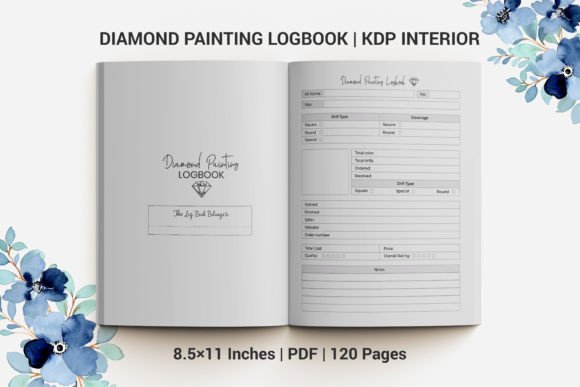
If you diamond paint regularly, you know the struggle. You finish a large project and realize the sheet with the DMC color codes is gone. Or you start a new canvas and cannot remember which sealer worked best on your last one. A dedicated project log solves this. The Diamond Painting Logbook KDP INTERIOR is a pre-formatted PDF file designed specifically for tracking the details that matter to painters. It is 8.5 x 11 inches, contains 120 pages, includes bleed, and comes as a high-resolution file that has already been tested on Amazon KDP. For publishers, it means a fast, compliant upload. For end users, it is a practical system for staying organized.
What a Diamond Painting Logbook Actually Does
This is not a generic notebook. The interior layout is built around the workflow of a diamond painter. It provides structured space to record project names, canvas dimensions, brand details, the number of colors, and the specific code for the drills. There are sections for logging start and end dates, the type of pen or tray used, and even personal notes about the experience. The Diamond Painting Logbook KDP INTERIOR Feathers version adds a soft, creative aesthetic to these pages, making the logbook feel like part of the crafting process rather than just a chore.
Because the file is high-resolution, every line, table, and decorative element prints cleanly. For anyone uploading to KDP, this is critical. Low-resolution files lead to blurry text and unhappy customers. This PDF eliminates that risk. It is a ready-to-upload asset that requires zero reformatting.
Where and Why People Actually Use This Logbook
The value of a specialty logbook shows up in specific moments. It is not something you buy and store. It is something you reach for every time you open a new kit or finish a section.
Tracking Multiple Active Projects
Many diamond painters work on more than one canvas at a time. Maybe you have a large square-drill project on the desk and a smaller round-drill kit for travel. Keeping the details straight becomes difficult fast. With a logbook, you write down the canvas size, the number of drills, and the color list for each one. You note which session you worked on which piece. This prevents mixing up sections or losing track of where you left off. It also helps you see your progress over time, which is satisfying in itself.
Managing Your Drill Inventory
Leftover drills pile up. Most painters keep them in labeled bags or containers, but few have a central list. The logbook gives you a place to record what is left over from each project. You can note the DMC code and the approximate count. Next time you start a painting that requires a specific shade of blue, you check your log before buying a full new set. Over a year, this saves money and reduces waste. It also makes it easier to share leftovers with friends or trade colors at crafting meetups.
Recording What Works and What Does Not
Diamond painting involves tools. Pens, trays, wax, glue, and sealers all affect the final result. A painter might try a new type of wax and love it, then forget the brand three months later. The logbook provides a dedicated space to note which tools you used on each project and how they performed. You can write down the pen type you preferred, whether you used multiplacers, and what sealer gave the best finish. Over time, this becomes a personalized reference guide built from your own experience.
Creating a Keepsake of Your Finished Work
Once a painting is finished and sealed, it often gets gifted or framed and hung on a wall. The details of how you made it fade. A logbook entry preserves that information. You can record who the painting was for, why you chose it, how long it took, and any challenges you faced. Looking back through the logbook a year later becomes a way to revisit your own creative history. It adds meaning to the physical canvas.
How Publishers and Creators Benefit from This Interior
The Diamond Painting Logbook KDP INTERIOR is not just for hobbyists. It is a commercial product designed for anyone publishing on Amazon KDP. If you build a catalog of low-content or medium-content books, this interior saves you hours of formatting time.
Time Savings and Compliance
Formatting a book for KDP involves setting margins, adding bleed, checking resolution, and making sure the file passes Amazon's automated checks. One mistake can cause an upload error or a rejected book. This file has already been tested. It meets the specifications. You simply download it, add your cover, and upload. For someone managing multiple titles, this efficiency matters. It lets you focus on marketing and cover design instead of troubleshooting PDF issues.
Niche Targeting for Better Sales
Generic notebooks are a crowded market. Niche-specific interiors perform better because they speak directly to a passionate audience. Diamond painters actively search for tools that improve their hobby. A logbook with a matching theme, like the Feathers design, attracts buyers who want their organizational tools to reflect their personal taste. The 120-page count gives the book substance without feeling overwhelming. It is substantial enough to justify the price point while remaining approachable for casual painters.
Bundle and Gift Opportunities
Some publishers use interiors like this to build bundles. You can combine the logbook with a diamond painting starter kit, a set of pens, or a sealer. For gift givers, a paperback logbook paired with a small kit makes a thoughtful present for a friend who is new to the hobby. It shows you understand what they actually need to enjoy the craft fully.
What to Consider Before Using or Buying a KDP Interior
Whether you are a publisher or an end user, understanding what you are getting is important. Here are practical considerations for the Diamond Painting Logbook KDP INTERIOR.
- Bleed is included. The file is set up for print with bleed. When uploading to KDP, select the bleed option in your paperback settings. This ensures the design reaches the edge of the page without white borders.
- Size matters. The 8.5 x 11 inch trim size is standard and practical. It provides enough room for writing long DMC lists and detailed notes. Anything smaller feels cramped for this type of tracking.
- Page count adds value. With 120 pages, this is not a thin booklet. It will last through dozens of projects. For a publisher, this page count hits a good balance between production cost and perceived value for the buyer.
- High resolution prevents problems. Low-res interiors look terrible in print. Amazon customers will notice blurry lines or pixelated headers. This file is high-res, which means every table and feather illustration prints crisp and professional.
- You still need a cover. The interior PDF is for the inside pages only. You will need to create or purchase a separate cover file that matches the trim size and includes the bleed. The Feathers theme should be consistent between the cover and interior for a cohesive product.
Matching Features to Real Outcomes
It is easy to list specifications, but what do they actually mean for someone using the book?
120 pages means you can track twenty or more projects in detail without running out of space. You can include notes on color substitutions, supplier ratings, and personal reflections for each one. It is enough room to be thorough but not so many pages that the book feels heavy or expensive to ship.
8.5 x 11 inches means the tables are large enough to read and fill out easily. If you have ever tried writing DMC codes in a small pocket notebook, you know how frustrating it is. This size gives your hand room to move and makes the logbook feel like a serious tool rather than a scrap pad.
High-resolution files mean the printed text and borders are sharp. When you flip through the book, it looks professional. For a publisher, that leads to better reviews and fewer returns. For a hobbyist, it makes the logbook feel like a quality purchase that respects their time.
Tested on Amazon KDP means the file has been checked against the platform's strict formatting guidelines. Publishers do not have to guess whether the margins are correct or whether the PDF will fail the automatic review. That testing translates directly into fewer headaches and a faster path to listing the book for sale.
A Tool for Organizing Creativity
Diamond painting is a relaxing, visual hobby. It does not require hardcore project management, but a little structure goes a long way. A logbook helps you keep track of your supplies, remember your favorite techniques, and preserve the story behind each finished canvas. For a publisher, this interior offers a straightforward way to enter the creative hobby niche with a product that is already formatted and tested. Whether you are tracking your own projects or building a KDP catalog, the Diamond Painting Logbook KDP INTERIOR provides the practical foundation you need without extra effort or guesswork.